Iron and iron deficiency anaemia in children and young people
Why is iron important?
Iron is an important mineral that helps the body make haemoglobin. Haemoglobin is found in red blood cells and carries oxygen around the body.
If the body does not have enough iron, iron deficiency can develop. If this becomes more severe, it can lead to iron deficiency anaemia.
Some children with iron deficiency have no obvious symptoms. Others may feel tired, have less energy or find it more difficult to concentrate.
Signs and symptoms
Signs of iron deficiency anaemia can include:
- Tiredness or low energy
- Pale skin
- Reduced appetite
- Difficulty concentrating
- Headaches or dizziness
- Feeling short of breath more easily
If you are concerned that your child may have iron deficiency or iron deficiency anaemia, speak to your GP or healthcare professional. A blood test may be needed.
Who may be at risk?
Children and young people may be more at risk of iron deficiency if they:
Are babies or young children during periods of rapid growth
- Were born prematurely
- Eat a restricted or limited variety of foods
- Follow a vegetarian or vegan diet without regularly including suitable iron-rich foods
- Drink large amounts of cow's milk, which may reduce their appetite for iron-rich foods
- Have increased iron requirements during periods of rapid growth
- Have heavy periods
- Have certain medical conditions that affect how nutrients are absorbed or cause blood loss
Important: If your child has been diagnosed with iron deficiency anaemia, dietary changes alone may not be enough. Follow the treatment recommended by your healthcare professional.
How can I increase iron in my child's diet?
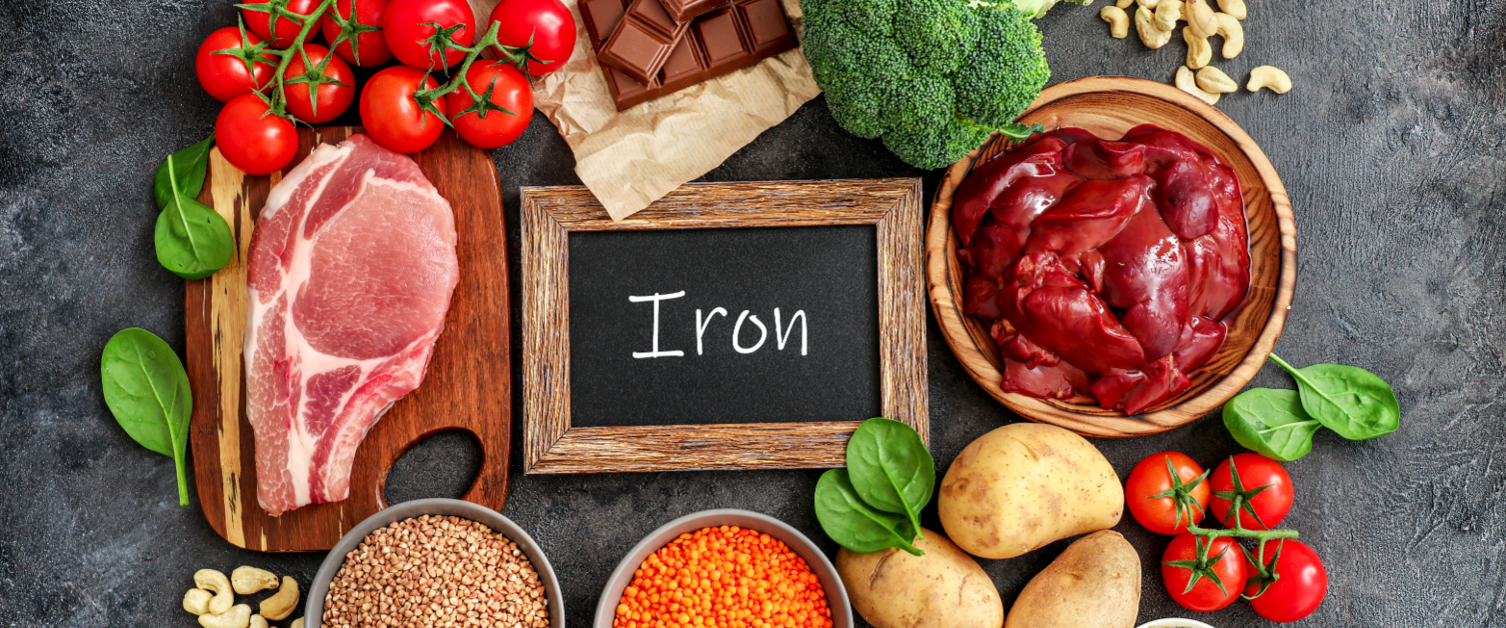
Including iron-rich foods regularly can help your child get enough iron.
Foods particularly rich in iron
- Beef and lamb
- Beans, lentils and chickpeas
- Tofu
- Nuts and seeds, where age-appropriate
- Breakfast cereals fortified with iron
Other foods that provide iron
- Pork
- Chicken and turkey
- Fish
- Eggs
- Green vegetables such as broccoli, kale and spinach
- Fortified breads
- Dried fruit
Try to include an iron-containing food at each main meal.
Help your child absorb more iron
Iron from animal foods is generally more easily absorbed by the body than iron from plant foods.
Vitamin C helps the body absorb iron from plant foods. Try offering a vitamin C-rich fruit or vegetable alongside meals.
Good sources of vitamin C include:
- Berries
- Kiwi fruit
- Oranges and other citrus fruits
- Peppers
- Tomatoes
- Broccoli
Easy combinations to try
- Iron-fortified breakfast cereal with berries or kiwi
- Beans on toast with tomatoes
- Hummus with red and yellow pepper strips
- Lentil bolognese with a tomato-based sauce
- Chickpea curry with peppers and tomatoes
Tea and coffee can reduce the amount of iron absorbed from food and are not recommended as routine drinks for children. If older children or young people drink tea or coffee, it is best to avoid having these with meals.
Practical meal ideas
Breakfast
- Iron-fortified breakfast cereal with fruit
- Porridge topped with seeds and berries
- Wholemeal toast with peanut butter and fruit, where age-appropriate
Lunch
- Egg and spinach on toast or in a sandwich
- Hummus and vegetable wrap
- Baked beans on toast
- Lentil or bean soup with bread
Evening meal
- Beef or turkey mince dishes
- Lentil bolognese
- Chickpea or lentil curry
- Bean chilli
- Fish with potatoes, broccoli and peas
You do not need to prepare special meals. Making small changes to everyday family meals can help increase your child's iron intake.
Does my child need an iron supplement?
Some children with iron deficiency anaemia will need an iron supplement. This should be recommended or prescribed by an appropriate healthcare professional.
If your child has been prescribed an iron supplement:
- Give it at the recommended dose
- Follow the instructions provided by your healthcare professional
- Continue it for the recommended length of time
- Continue to offer iron-rich foods as part of a varied diet
Keep iron supplements out of the reach of children. Taking too much iron can be dangerous.
Do not give your child an iron supplement to treat suspected iron deficiency unless advised to do so by a healthcare professional.
Family recipe ideas
Looking for some inspiration? NHS Healthier Families has simple, affordable recipes for the whole family.
These recipes include useful sources of iron alongside fruit or vegetables:
Easy Chilli Con Carne - NHS Healthier Families
Beef and kidney beans provide iron, alongside tomatoes and red pepper.
Vegetable Jalfrezi - NHS Healthier Families
Chickpeas and peas provide plant-based sources of iron, alongside tomatoes and green pepper.
Hearty Vegetable and Lentil Soup - NHS Healthier Families
Red lentils provide plant-based iron, combined with vegetables including red pepper.
More family-friendly recipes can be found at NHS Healthier Families.
When should I seek advice?
Speak to your GP or healthcare professional if:
- You are concerned that your child may have iron deficiency
- Your child has symptoms of iron deficiency anaemia
- Your child has a very restricted diet and you are concerned about their nutritional intake
- Your child has been prescribed iron but you are having difficulty giving it
- You are concerned about your child's growth or development
Iron deficiency anaemia should be properly assessed and treated. Dietary advice can support treatment but should not replace medical advice where this is needed.
Further information
For more information about iron and iron deficiency anaemia: