Learning to use cutlery
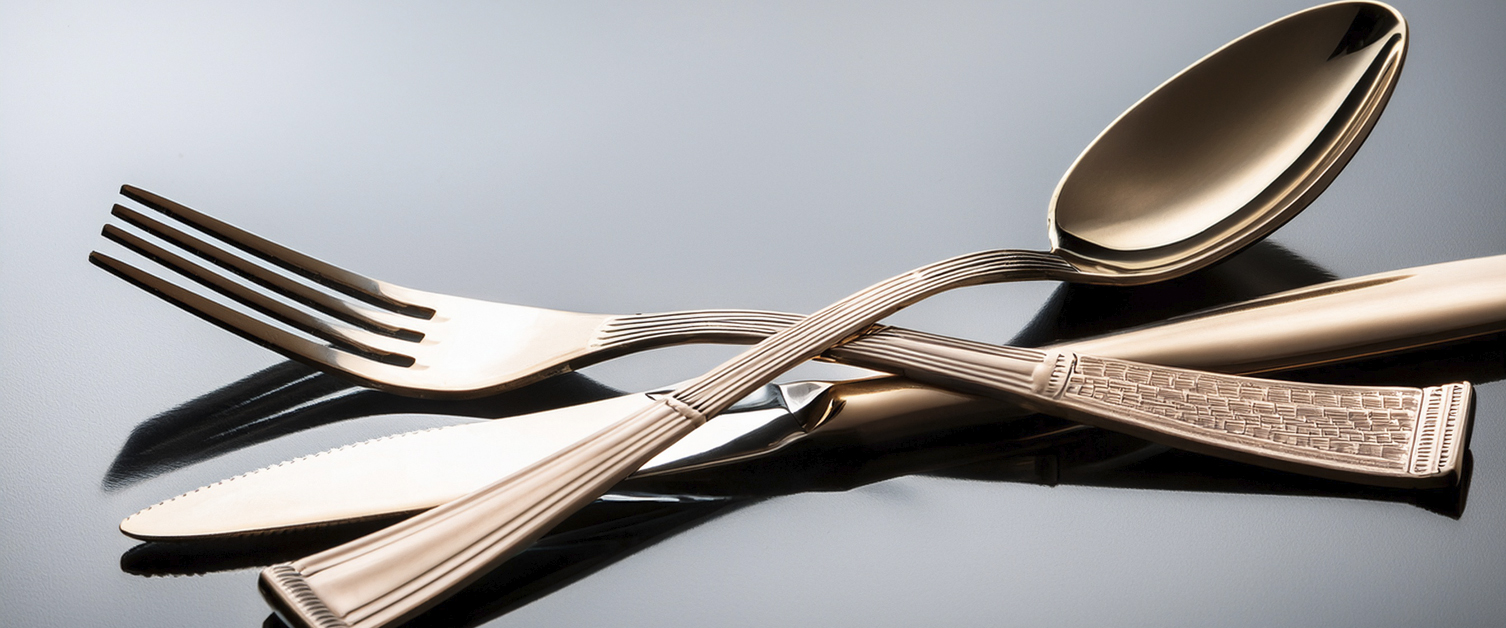
Learning to use a knife, fork, and spoon is a skill that is learnt gradually. First children will try to grasp a spoon when being fed, then start to bring the spoon to their mouth. Children will then start to use a fork. With practise, they will increase their ability to use a spoon and fork.
What might they find difficult?
Using cutlery requires using both hands together, hand strength and coordination skills. Children need to be able to open and close their hand and move their fingers and thumb individually or together.
Top tips for developing cutlery skills
-
Show your child - do the task alongside your child. Children will often mirror adults or older siblings.
-
Tell your child what they need to do - talk your child through each step of the process.
-
Think about the foods you are asking them to use cutlery with. For example, a banana is easier to cut than a piece of meat.
-
Try to reduce distractions, e.g. TV, iPad or toys.
-
A good sitting position is important. A child is more able to use their hands freely for feeding if they are well supported and have space where they are sitting. For example, sitting with their bottom back in the chair, and having their feet supported on a step, or leaning on the sofa/wall if sitting on the floor.
-
Practice and praise! Give your child opportunities for practice every day and make them feel good for trying.
Ideas for activities which help develop cutlery skills
-
Play egg and spoon races
-
Practice using the spoon during playtime activities. For example, at the sand or water play areas use spoons, cups, shovels, rakes, ladles to pour and scoop.
-
Cutting up Velcro fruit or play dough.
-
Involve your child with food preparation such as cutting up vegetables.
Useful website for further resources: