Attention and concentration in school
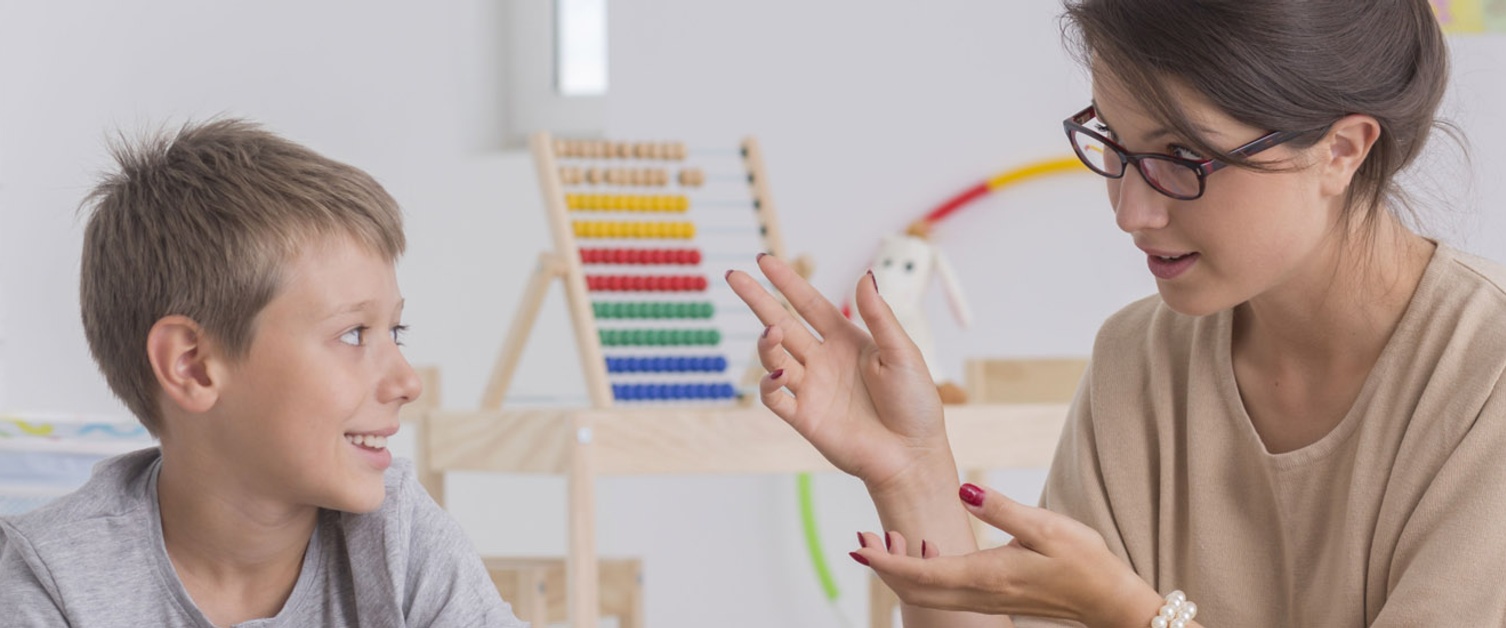
Attention and concentration are the ability to sustain focus on a task over time, filtering out non-essential information in your environment to concentrate. This also involves focusing on a single task over time or returning to a task without distraction.
What can be difficult for the child?
-
Being easily distracted by the environment.
-
Unable to complete a task without prompts.
-
Needing to ask for instructions to be repeated, especially when given in groups.
-
Completing only the first part of a series of tasks.
Top tips for attention and concentration in school
-
Sit the child or young person in front of the class or in front of the teacher to ensure attention to the task with minimal distraction to others.
-
Try using a screen or desk dividers to reduce distractions.
-
Think about who the child sits next to reduce further distractions.
-
Try using a consistent routine.
-
If possible, avoid giving directions in large groups.
-
During group activities, seat children in a semi-circle to maximise eye contact.
-
Try demonstrating the activity rather than just giving verbal instructions or writing a list for the child to follow.
-
Shorter lessons result in greater learning. Present tasks in small chunks with movement breaks in between.
-
Promote activities that involve definite start and ends to try and help encourage completion.
-
Offer frequent visual and verbal feedback.
Ideas for activities to help attention and concentration
-
Instruction games, e.g. Simon says
-
Games that promote being still, e.g. sleeping lions, musical statues, and drawing around the child’s body.
-
Board games include Bucking Bronco, Jenga, magnetic fishing, and Operation.
-
Memory games, e.g. Kim’s game (show objects, cover them and remove one and ask the child to identify it) and pairs (pairs of picture cards face down, take turns turning over two, and try to find the matching pairs).
Useful websites with further resources
-
The OT Toolbox - Extensive collection of occupational therapy resources, activities and strategies for different types of attention
Apps and Digital Tools
-
Brain Training for Kids - Cognitive training games
-
Calm - Meditation and breathing exercises for children