It's good to talk. It's even better to be heard.
This is the message of World Mental Health Day 2026.
Being heard helps us feel understood, less alone, and more able to cope with the challenges we face.
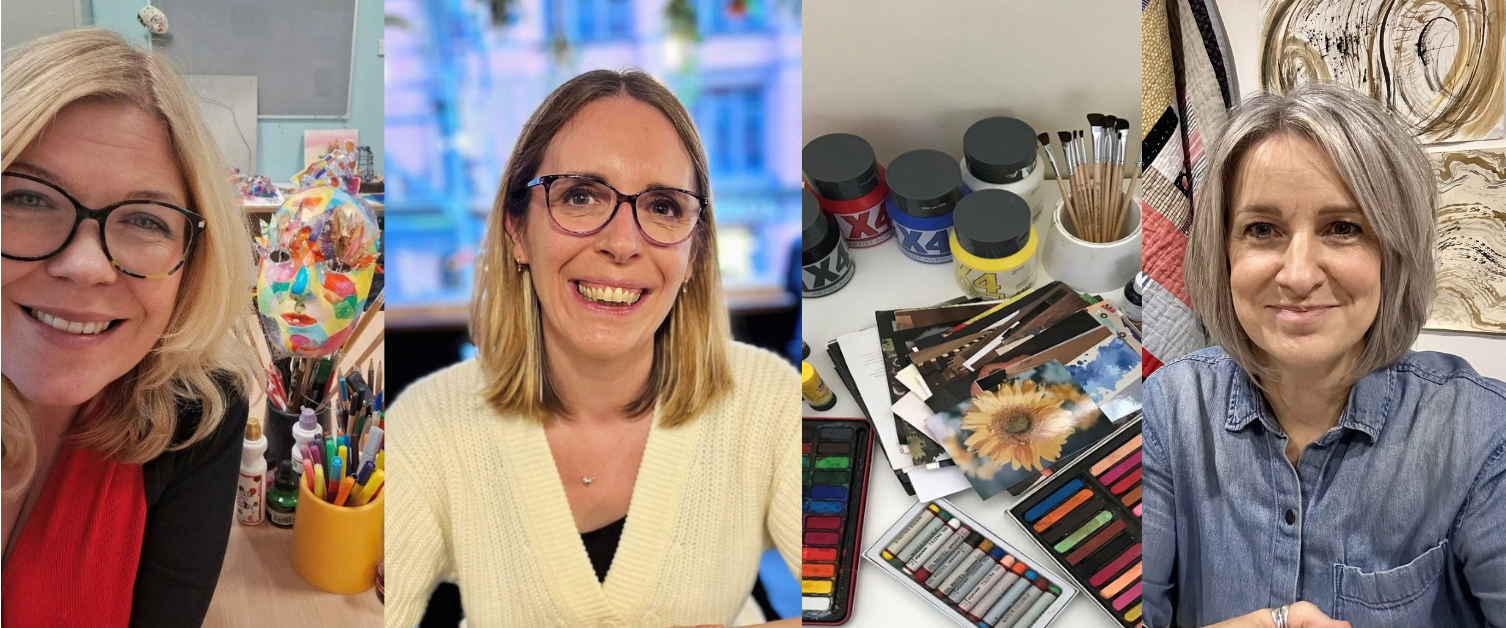
Being able to express yourself doesn’t always have to be with words. Our art psychotherapists support people across CTM to feel heard through expressing their thoughts and feelings through art.
Meet Jordan, Art Psychotherapist
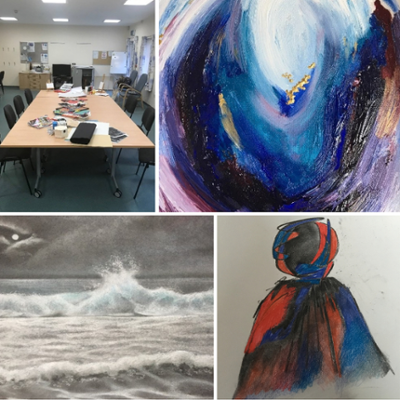
“Some experiences are difficult to put into words. A colour, shape, mark, or the process of making art can offer another way for people to express themselves and feel understood.”
Jordan discovered Art Psychotherapy after studying Psychology at university and was immediately drawn to its creative, non-verbal approach to communication.
“What appealed to me was the opportunity for people to express themselves in a different way. Not everyone finds it easy to talk about their thoughts and feelings, particularly during difficult times. Art can provide another shared language that helps people communicate experiences that might otherwise be hard to explain.
The most rewarding part of the role is helping people feel heard and supported. I've always been interested in how people experience distress, but also in people's resilience and capacity for growth. The most meaningful part of my work is supporting people to feel heard, build positive connections, and find hope. It really is a privilege.
I believe mental health is a fundamental part of overall wellbeing and that creative therapies play an important role. Every person's experience is different, which is why it's important that mental health support offers a range of approaches. Art Psychotherapy can help people explore, process and communicate their experiences in a way that feels right for them.
Working in mental health can be challenging, but knowing you've helped someone feel understood and less alone makes it incredibly rewarding.”
Meet Non, Art Psychotherapist
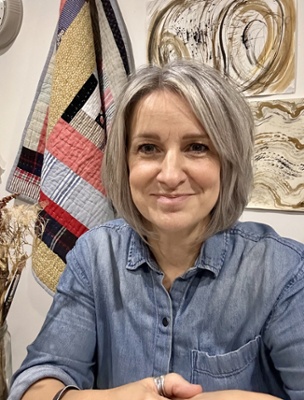
“Art therapy offers an alternative way of communicating when words are difficult to find.”
Non works within mental health rehabilitation services, supporting adults experiencing complex and enduring mental health difficulties. Through art psychotherapy, she helps people explore and express thoughts, feelings and experiences in a safe and creative way.
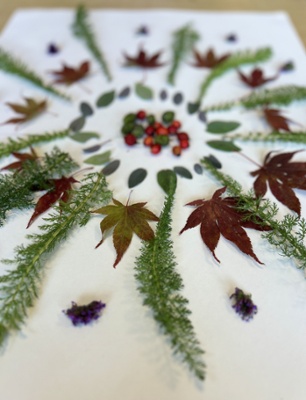 “One of my favourite aspects of the role is working alongside people as they develop a better understanding of themselves and their experiences. I particularly value the relationships that develop through the therapeutic process and the opportunity to see people use creativity, images and metaphor to communicate what matters to them.
For me, some of the most rewarding moments come from seeing people reconnect with their strengths and take positive steps forward in their recovery.
Recovery is rarely straightforward, and progress isn't always immediately visible. However, seeing someone gain a new perspective, build confidence, or take even a small step forward can be incredibly meaningful.”
Non believes art therapy can be particularly valuable for people who have experienced trauma or find verbal communication challenging.
“What I value most about art therapy is that it offers a different route to self-expression and self-understanding. Creative processes can provide a safe way of exploring thoughts and feelings without the pressure to find the right words.
I also enjoy facilitating group sessions, where creativity can help bring people together. They create opportunities for connection, reduce feelings of isolation, and help people discover new ways of expressing themselves and connecting with others. Seeing that happen is incredibly rewarding.”
Meet Sarah, Art Psychotherapist
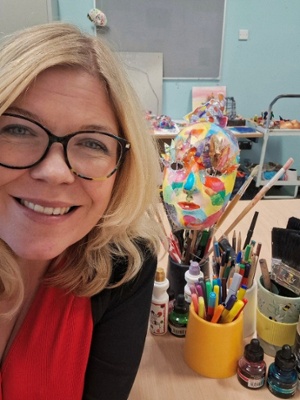
For Sarah, creativity and mental health support go hand in hand.
Working as an Art Psychotherapist within Child and Adolescent Mental Health Services (CAMHS), Sarah helps young people aged 12 to 18 explore and express difficult emotions through art.
"Sometimes young people find it hard to put their feelings into words. Art can help them make sense of their experiences and communicate emotions that feel overwhelming or frightening."
Sarah works as part of a multidisciplinary team supporting young people with a range of mental health difficulties, including eating disorders, psychosis and trauma-related illnesses.
Her journey into the profession began while studying for an art degree and working in a variety of care settings.
"I saw how creative activities helped people communicate and express themselves. When an Art Therapist visited my university to talk about their work, I knew straight away that it was the career I wanted.
After completing postgraduate training in Art Psychotherapy, I began my career supporting children and young people.
One of my proudest moments came when a patient with an eating disorder was able to recognise through her artwork how much the illness had taken over her life.
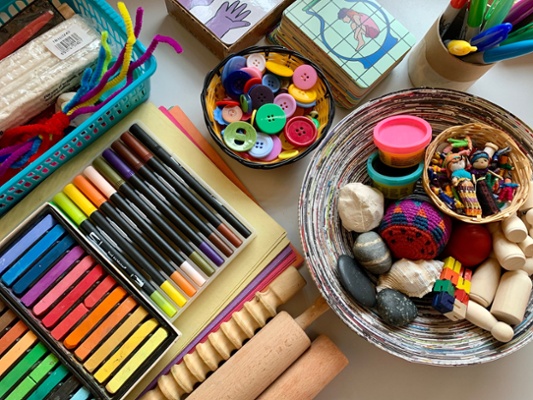 That insight was invaluable and helped support her motivation to recover.”
Looking ahead, Sarah is expanding her work into supporting older adults living with Alzheimer's disease and dementia.
For anyone considering a career in Art Psychotherapy, her advice is simple: "It's a deeply rewarding role where you can make a real difference to people's lives."
Meet Sarah, Play Therapist
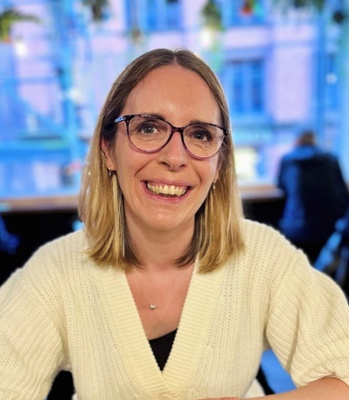
For Sarah, play can be a powerful way for children and young people to communicate their thoughts, feelings and experiences.
Working within the Psychology and Psychological Therapies Team in Community CAMHS, Sarah supports children and young people aged 8 to 17 through Play Therapy, a child-centred approach that uses play and creativity to help young people explore and express difficult emotions.
"Many of the children and young people I work with find it difficult to put their feelings into words. Play allows them to express themselves without the pressure or expectation to talk about what's troubling them.
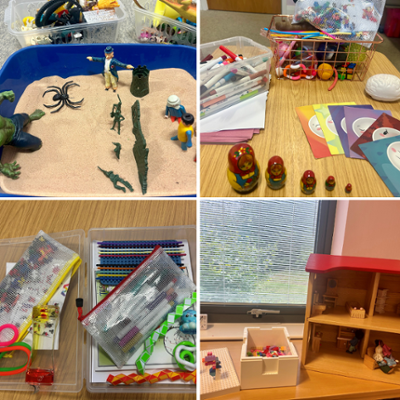 This can be particularly valuable for young people who have experienced trauma, helping them process their experiences at their own pace in a safe and supportive environment.
No two days are the same. It's a privilege to witness each young person's journey and see them begin to make sense of their difficulties through creative therapy."
Alongside providing Play Therapy, Sarah has helped introduce more creative and sensory elements into CAMHS services, including sensory boxes in clinic rooms across Cwm Taf Morgannwg to support young people attending appointments.
“One of the most rewarding aspects of the role is seeing the difference creative therapy can make.
Young people often leave therapy with a better understanding of their emotions, greater confidence and healthier ways of expressing themselves. The changes can sometimes seem small, but they can have a lasting impact on a young person's mental health and wellbeing.
For me, helping children and young people build these skills is what makes the role so worthwhile. Being able to support young people through play and help them thrive is incredibly rewarding."
If you’re interested in finding out more about working with CTM, visit our jobs website and explore current vacancies.