Pain Management
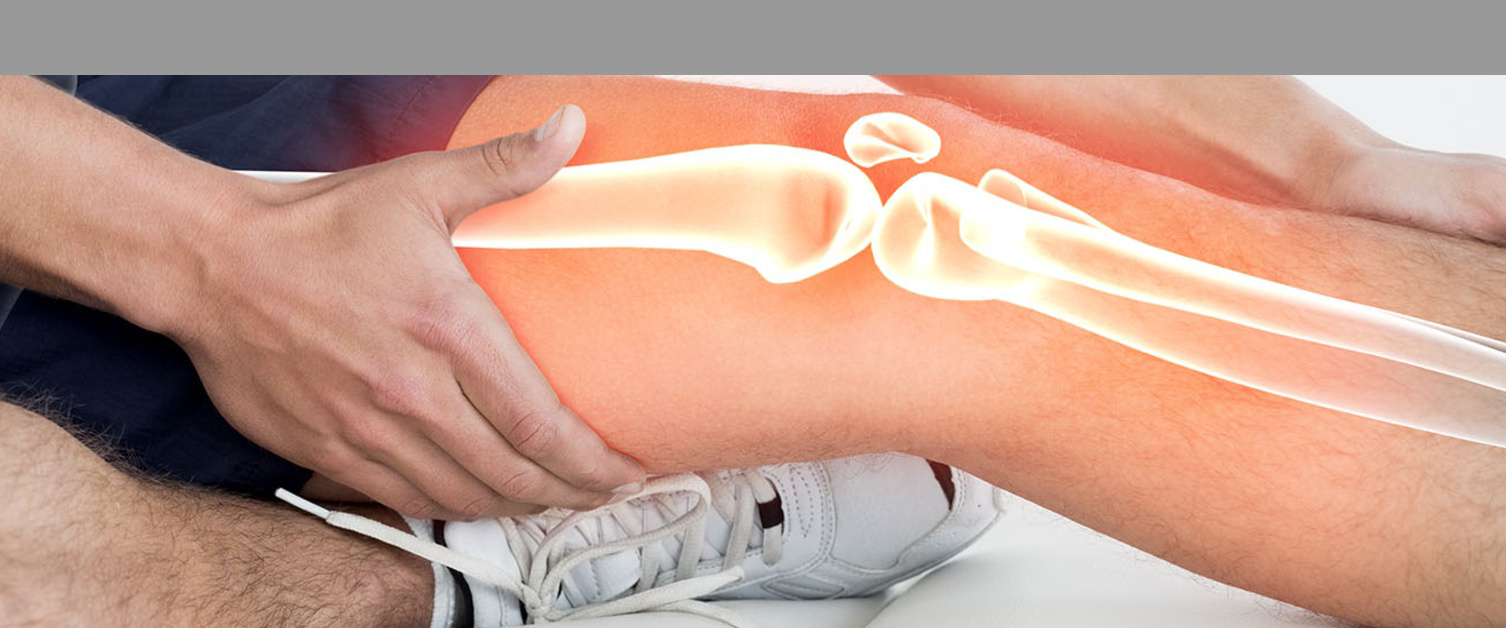
Pain is something everyone will experience at some point in their life. For most people, pain is due to something happening such as an accident, surgery or even stepping on Lego. We understand that in those cases, pain is telling us that something has happened that needs our attention.
The WISE pain programme will support you to develop ways of managing your pain on a daily basis that can help you have improvements in your condition. The programme has been used for many years in the UK, and at WISE you have the additional support of your Wellness Coach.
Perhaps we need to get help, move away from the thing causing the pain, or take some pain relief medicine. Pain related to a specific event is referred to as acute pain. Pain relief medicines can be helpful to reduce the level of pain felt in these circumstances. As an injury repairs and we recover, pain subsides too, we return to a previous ‘normal’ and mostly can also reduce the use of medicines too.
For some people however, pain continues even after injury repairs or they have recovered from the incident that originally caused it. In some cases, people develop pain without being able to point to anything specific that might explain it. Pain that continues for several months is called persistent or chronic pain. The pain that people experience in these situations is generally not associated with ongoing ‘damage’ or ‘harm’, even if that is what the pain seems to be telling us.
When nothing obvious explains the pain, it can be scary and have a big impact on day-to-day life for the person with the pain and those around them. Even if scans are done, they do not fully explain the amount of pain experienced or how it is affecting a person’s life.
We now understand that persistent pain is affected by more than just physical changes in the body. Whether we are happy or sad, where we live, work or spend time, memory of previous painful experiences or other difficult things that have happened in life, lack of sleep and genetics all have a role in how we experience and respond to pain. People will often stop doing things that seem to make the pain worse, which can have the knock-on effect of lowering mood or making you feel isolated or that you are missing out on things.
Pain management has changed a lot in the last 20 years. It is now clear that many of the treatments and medicines that are used, are not that helpful for most people, especially if pain continues for longer periods. There is lots of evidence to support movement and staying active as having a really important role in living better with pain. Understanding why pain continues and that it is not connected to ‘damage’ is also important to reduce fear and to stop pain from stopping you living the life you want.
Medicines can be helpful for some people, but if you have used pain relief medicines for more than a couple of months and they are not helping you to do more of the things you want, then it is likely they are not working. Increasing medicines is not the answer as they can cause side-effects which can interfere with day-to-day activities, cause long term health problems and can even make pain worse. We need to look at other ways of living better with pain.
As persistent pain is not related to ongoing harm, we know that ‘doing’ is safe and the more we can ‘do’, the less pain interferes and the better we feel generally. Pain management requires us to accept the pain to some extent and set about doing things differently. This might include planning activities and working out ways of breaking them down into smaller, more manageable bits, gradually increasing the amount of movement and exercise you do, as you retrain your body
Useful Links
- Register for the WISE Service
- WISE Pain Management Apps
- Joint Care Programme
- Joint Care Programme (Sharepoint - for Healthcare Professionals)
- British Pain Society - Help for people living with pain
- Flippinpain.co.uk - Changing the way we think, talk and treat persistent pain
- healthtalk.org - Living with Chronic Pain
- livewellwithpain.co.uk - Support for people who care for someone in persistent pain
- livingwellpain.net - Managing persistent pain better
- my.livewellwithpain.co.uk - for people who are living with pain
- Painconcern.org.uk - Improving the lives of people living with pain
- Painconcern.org.uk - Pain Syndrome
- Paintoolkit.org
- Reading Well - Understanding and managing your health using reading





For further information please email: CTM.WISE@wales.nhs.uk or call us on 01685 351 451. Visit our website at: https://ctmuhb.nhs.wales/wise-ctm