Trying for another baby?
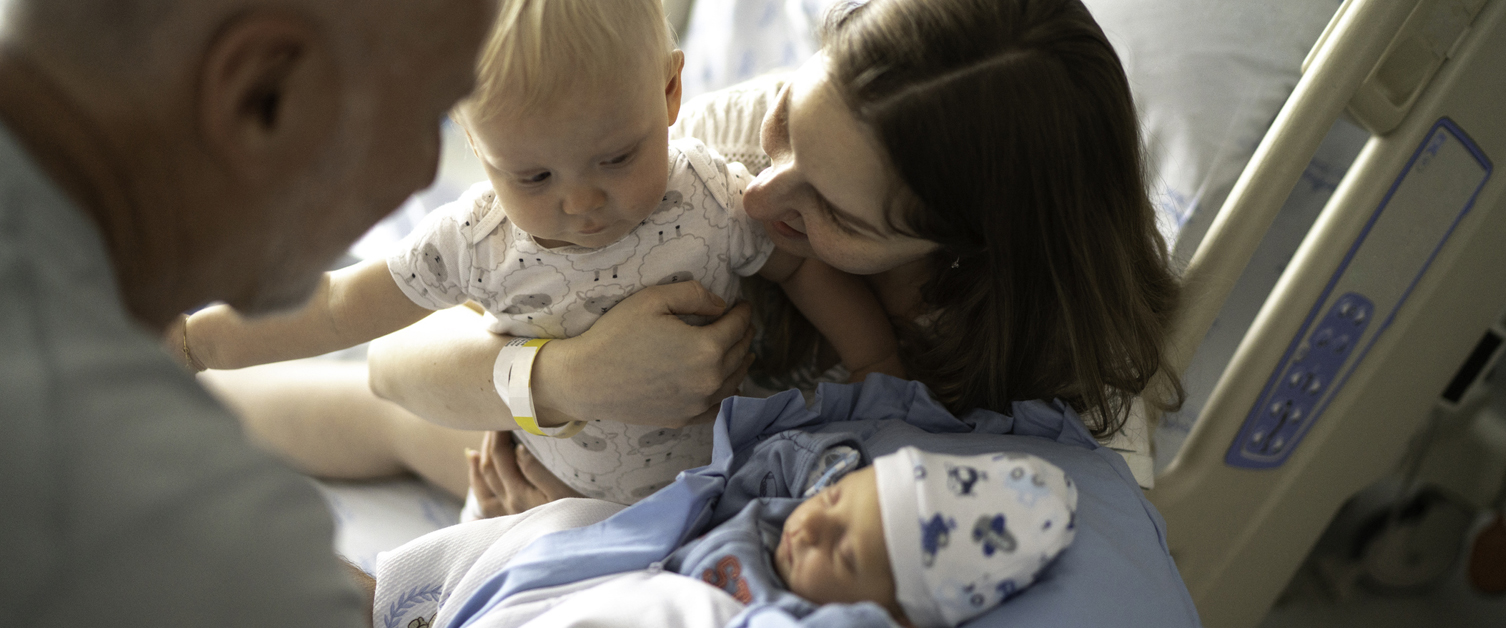
There is some evidence to suggest that a pregnancy interval of 18–59 months is safer in terms of outcomes for mum and baby but the decision should take into account the woman's individual circumstances (for example a shorter interpregnancy interval may be appropriate for older women concerned about age-related decline in fertility).
If you have suffered a miscarriage previously there is no definite 'right time' to start trying to conceive again. The decision will be influenced by a number of factors including when you and your partner feel ready; the speed of physical recovery; and whether you are awaiting test results or being followed up after surgery, or ectopic or molar pregnancy.
More information is available from the Royal College of Obstetricians and Gynaecologists (Early Miscarriage, available at www.rcog.org.uk). This provides information for women who have experienced first-trimester pregnancy loss and includes information about trying for another baby.
Importance of a healthy diet
It is important that when considering pregnancy you eat a healthy, balanced diet. To try and maintain a healthy weight before pregnancy, women should:
-
Base meals on starchy food (for example bread, rice, pasta, potatoes), choosing wholegrain if possible.
-
Eat fibre-rich foods (for example fruit, vegetables, oats, beans, peas, lentils).
-
Eat at least 5 portions of different fruits and vegetables each day.
-
Eat a low-fat diet.
-
Eat as little as possible of fried food, drinks and confectionary with added sugar (for example cakes, fizzy drinks), and other foods high in fat and sugar.
-
Cut down on processed foods and take-aways
-
Be aware of portion sizes of meals and snacks, and how often they eat.
The Foodwise App provides information and support for before, during and after pregnancy on how to achieve a balance of healthier food.
Research shows that by achieving a healthy weight (BMI 18.5–24.9 kg/m2) before becoming pregnant the risk of pregnancy complications is reduced.
Potential health risks of being obese (BMI of 30 kg/m2 or more) including:
-
Reduced fertility.
-
Increased risk of miscarriage.
-
Gestational diabetes (becoming diabetic during pregnancy)
-
Gestational hypertension/pre-eclampsia (blood pressure problems)
-
Macrosomia and shoulder dystocia.
-
Preterm birth.
-
Caesarean birth.
-
Postpartum complications (for example haemorrhage, thrombosis and infection).
-
Stillbirth.
-
Congenital anomalies (for example neural tube defects, cardiovascular anomalies, cleft palate, limb reduction, anorectal atresia, hydrocephaly).
It is recommended by the National Institute for Clinical Excellence (NICE) that women who are deemed to be obese (BMI of 30 kg/m2 or more) to lose weight before becoming pregnant. It is believed that by losing 5–10% of your body weight has significant health benefits, and could increase their chances of becoming pregnant.
If you have a low BMI (less than 18.5 kg/m2) there are some potential health risks of being underweight, including:
-
Reduced fertility.
-
First-trimester miscarriage.
-
Preterm birth.
-
Low birth weight.
-
Gastroschisis.
If you have concerns about your eating habits, please seek support from your GP.