Complications of diabetes
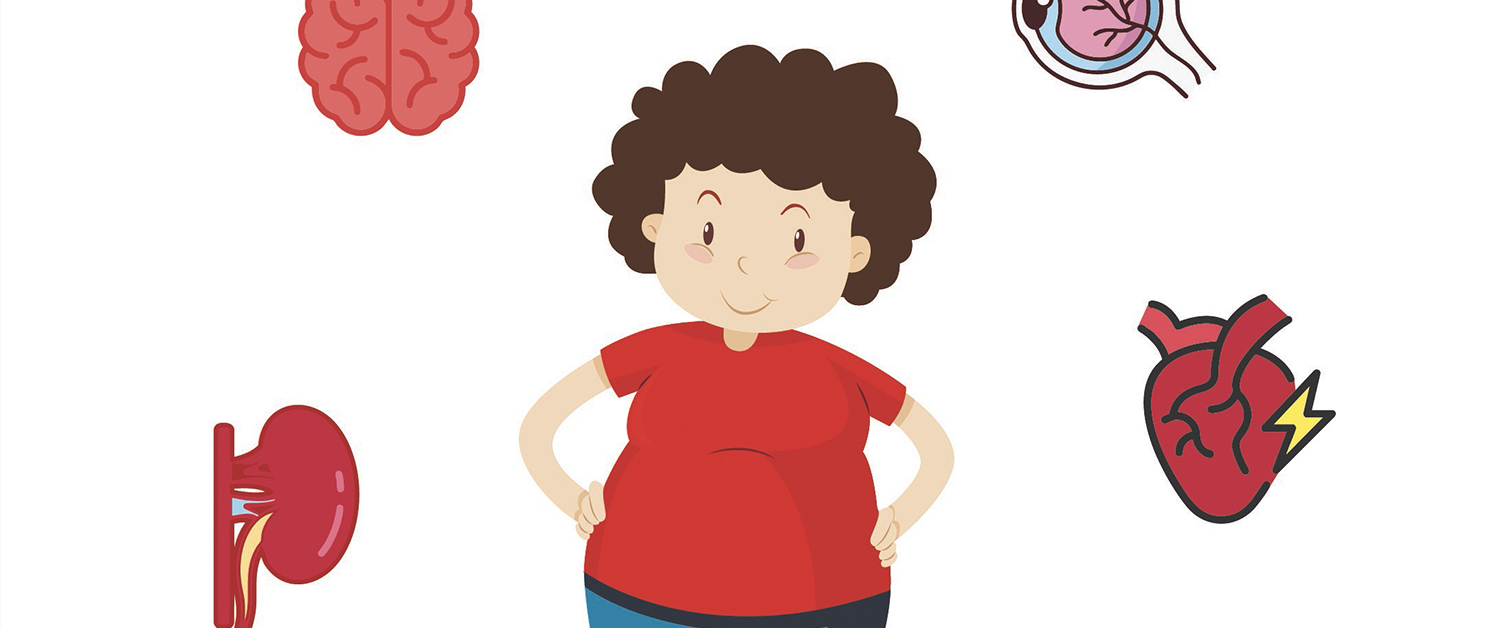
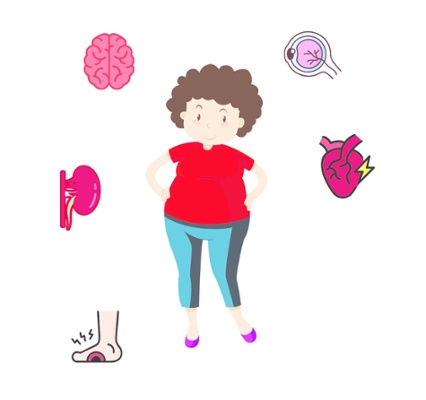
If your blood glucose stays high for a long time, it can affect many parts of your body:
-
Brain: Higher risk of stroke
-
Eyes: Vision problems or blindness
-
Kidneys: Kidney damage or failure
-
Heart: Higher risk of heart attack
-
Feet: Nerve damage, infections, amputations
-
Skin: More infections and slower healing
-
Mouth: Higher risk of infection of the gums and bones that support the teeth. Make sure you brush your teeth daily and have regular dental check-ups.
BUT—many complications can be prevented with good diabetes care!
Diabetic Ketoacidosis (DKA)
DKA is a potentially life-threatening condition which can affect people who have diabetes. It is caused by a lack of insulin in the body. Without insulin, the body is unable to use glucose in the blood for fuel and starts to break down fat instead. This results in the production of toxic acids called ketones.
Causes of DKA:
-
Having an infection such as a chest infection or urinary tract infection
-
Not taking your insulin or missing doses
-
Diabetes medications called SGLT-2 inhibitors (these are the medications ending in ‘flozin’) can cause DKA as a rare side effect
Symptoms of DKA:
-
Being very thirsty
-
Needing to wee more often
-
Feeling tired and sleepy
-
Confusion
-
Blurred vision
-
Stomach pain
-
Feeling or being sick
-
Sweet or fruity-smelling breath, like pear drop sweets
-
Passing out
DKA is a medical emergency and requires urgent treatment in hospital with
insulin and fluids through an intravenous (IV) drip. If you suspect you may have DKA, call 999 immediately.
Sick day rules
When you are ill your glucose levels can be affected. It is not unusual to find glucose levels are higher, particularly if you have an infection.
If you are unwell, we recommend that you keep a close eye on your blood glucose levels; increase your insulin doses if your blood glucose levels are running higher and ensure that you drink plenty of fluids.
The above steps can help prevent the build-up of ketones in your body and help you recover faster.
Here is a useful leaflet on what to do if you have type 1 diabetes and are unwell.