5. Exploring food through play
Messy play provides the child with fun way to experience new textures. Increased exposure to a wide variety of textures can decrease the level of tactile defensiveness.
Children need to learn about new foods in an unthreatening way. They need lots of exposure to a food before they will consider tasting it or eating it. Mealtimes are frequently are associated with expectations, many children spend a great deal of energy protecting themselves from new sensory experiences that feel dangerous. Comfort and safety are the most important aspects of a mealtime. When children feel safe and comfortable, they are more willing to risk and participate in new experiences.
By allowing your child to play with food outside of mealtimes they will learn to be more confident around food. Therefore there is a greater chance they will be more willing to experience food in other ways. As adults we must make it fun for the child and not try to convince the child to take a bite, therefore allowing the child to become familiar with food, through play.
You may find you need to play with the same foods over and over, as through repeated exposure they will become more confident and enjoy playing with them. If they don’t tolerate a certain texture or food, leave it for a while but try again at a later time.
Allow them to play with food in different ways, for example:
- Encourage your child to help you make other people’s sandwiches, you can cut the sandwiches into different shapes or if they like crunchy textures introduced crackers instead of bread
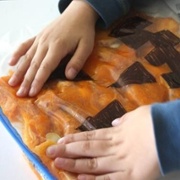
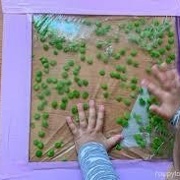
- Zip bags games can allow foods to be touched without child becoming messy. You can put any food inside the bag and maybe a couple of their toys or a laminated sheet e.g. use numbers/letters or something the child would be interested in. They then have to push the food to find the toy or number on sheet. This is a fun way of exposing new foods.
|
|
- Use your child’s motivator to your advantage. So if they like numbers/letters then you can make a game of hide and seek in a bowl with a food covering them.
- If your child is eating a non-food item e.g. a stick
- Try and replace the item with a food item of similar colour, texture or size. It’s better to replace than just say no. The child needs an alternative and some explanation. So you could say sticks are for birds.
Progression is usually better if the food has been included in messy food play, completely separate to mealtimes. Don’t forget to make it fun!