Top tips to prevent falls, pressure damage and deconditioning
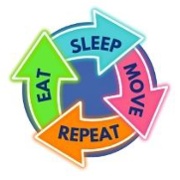 Eat:
Eat:
-
Eat a varied and balanced diet.
-
If you can, eat your meals sat in the chair.
-
Clear your table, open a window if able, and wash your hands.
-
Ask visitors to bring snacks if they are willing.
-
There may be support available in your local community.
www.gov.uk/meals-home (meals on wheels)
Sleep:
-
Maintain your sleep routine as best as you can.
-
Avoid electronics and stimulants like caffeine before bed.
-
Try meditation or music before sleeping.
-
Use ear plugs.
-
Turn off the bedside light.
-
Move regularly in the daytime and eat a healthy diet.
-
Talk to your doctor or nurse about any sleep issues.
Move:
-
Share your daily routine with your friends, family or carer.
-
If you are able, wash in the bathroom and get dressed.
-
If able to, stand and walk around your home or to the toilet.
-
Do chair or bed movements (see examples on page 10).
-
Keep your brain active by reading, talking to others, listening to music and doing puzzles.
Nutrition
Eat well and stay hydrated
It’s important to make sure you’re eating well and drinking enough fluids to provide you with energy. Eating a well balanced, varied diet can help you get all of the nutrients your body needs to stay strong and steady on your feet. Dehydration can make you feel dizzy, lightheaded and sometimes confused.
Avoid consuming alcohol, as it may interfere with your medication and impair your balance and cognitive abilities.
Drink 6-8 glasses of water a day. You may need more if you are unwell or the weather is warm
If you have a poor appetite or notice you are losing weight without trying, e.g. notice your clothes getting looser, talk to your GP surgery where they can support you or refer you to a Dietitian if needed. You can also use this self-screening tool to check if you need some extra support.
www.malnutritionselfscreening.org/self-Screening
For more information about eating a well-balanced diet to help prevent falls visit
www.nhsinform.scot/healthy-living/preventing-falls
Eat calcium rich foods for more information
Look after your bones
Stronger bones could make any injury you have much less serious, ensure you get enough vitamin D - It’s difficult to get enough from diet and sunlight alone so consider taking a 10 micrograms supplement
Use a risk checker to find out more
www.theros.org.uk/risk-checker