Episiotomy and perineal tears
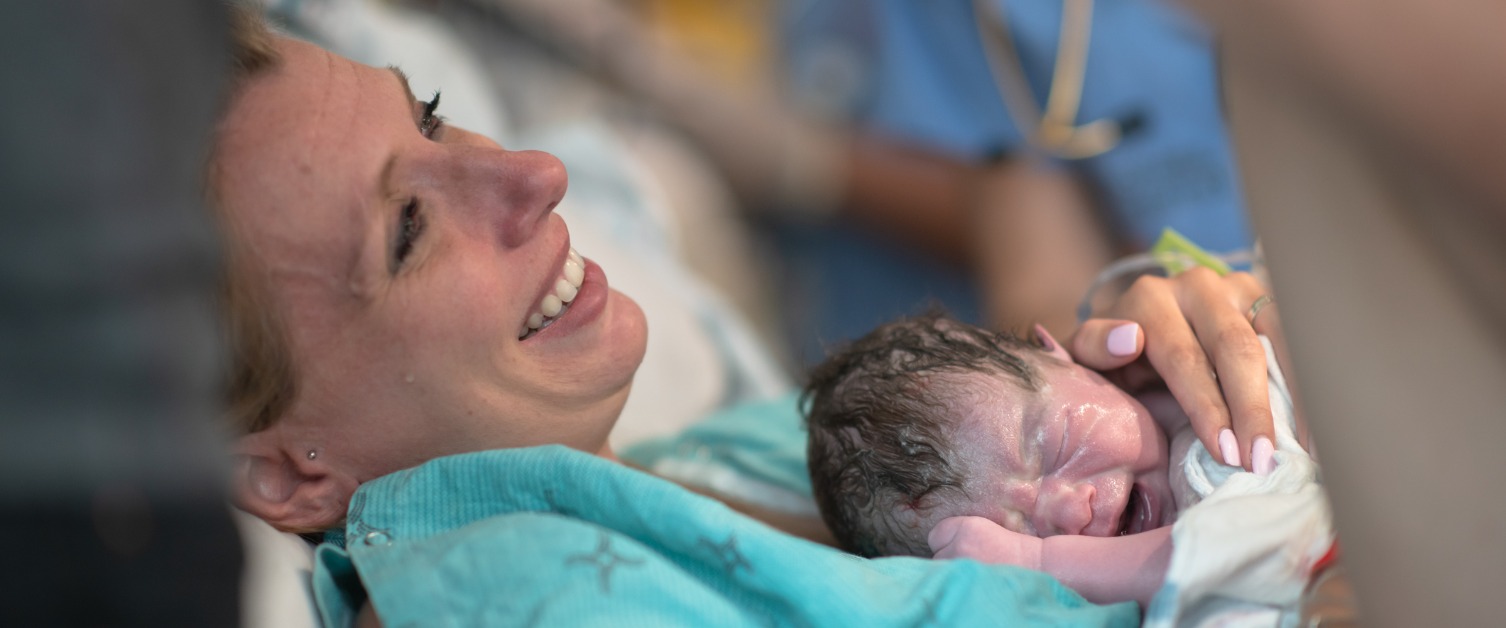
Sometimes a doctor or midwife may need to make a cut in the area between the vagina and anus (perineum) during childbirth. This is called an episiotomy.
An episiotomy makes the opening of the vagina a bit wider, allowing the baby to come through it more easily. Sometimes a woman's perineum may tear as their baby comes out. In some births, an episiotomy can help to prevent a severe tear or speed up delivery if the baby needs to be born quickly.
If your doctor or midwife feels you need an episiotomy when you're in labour, they will discuss this with you. In the United Kingdom, episiotomies are not done routinely. Up to 9 in 10 first-time mothers who have a vaginal birth will have some sort of tear, graze or episiotomy.
The National Institute for Health and Care Excellence (NICE) recommends that an episiotomy might be done if:
-
the baby is in distress and needs to be born quickly,
-
there is a need for forceps or vacuum delivery (ventouse)
-
there is a risk of a tear to the anus
If you have a tear or an episiotomy, you'll probably need stitches to repair it. Dissolvable stitches are used, so you will not need to return to hospital to have them removed.
Why you might need an episiotomy
An episiotomy may be recommended if your baby develops a condition known as fetal distress, where the baby's heart rate gets faster or slower before birth. Another reason for an episiotomy is because it's necessary to widen your vagina so instruments, such as forceps or ventouse suction, can be used to help with the birth.
This may be necessary if:
you're having a breech birth, where the baby is being born with their bottom or feet first
you have been trying to give birth for several hours and are now tired after pushing
you have a serious health condition, such as heart disease and it's recommended that giving birth should be as quick as possible to reduce further health risks
Research shows that in some births, particularly with forceps deliveries, an episiotomy may prevent tears that affect the anal muscle (third-degree tears).
How an episiotomy is done
An episiotomy is usually a simple procedure. A local anaesthetic is used to numb the area around the vagina so you do not feel any pain. If you have already had an epidural, the dose can be topped up before the cut is made.
Whenever possible, the doctor or midwife will make a small diagonal cut from the back of the vagina, directed down and out to one side. The cut is stitched together using dissolvable stitches after the birth.
Recovering from an episiotomy
Episiotomy cuts are usually repaired within an hour of your baby's birth. The cut may bleed quite a lot at first, but this should stop with pressure and stitches. Stitches should heal within 1 month of the birth. Talk to your midwife or obstetrician about which activities you should avoid during the healing period.
Coping with pain
It's common to feel some pain after an episiotomy. Painkillers such as paracetamol can help relieve pain and are safe to use if you're breastfeeding. Your midwife or doctor will be able to advise you if you're not sure what painkillers to take.
To ease the pain, try placing an ice pack or ice cubes wrapped in a towel on the cut. Avoid placing ice directly on your skin as this could cause damage. Exposing the stitches to fresh air can help the healing process. Taking off your underwear and lying on a towel on your bed for around 10 minutes once or twice a day may help. It's unusual for pain after an episiotomy to last longer than 2 to 3 weeks. If the pain lasts longer than this, speak to a doctor, health visitor, or another health professional.
Going to the toilet
Keep the cut and the surrounding area clean to prevent infection. Pouring warm water over the outer area of your vagina as you pass urine may also help ease the discomfort.
When you're pooing, you may find it useful to place a clean pad on the cut and press gently. This can help relieve pressure on the cut. When wiping your bottom, make sure you wipe gently from front to back. This will help prevent bacteria in your anus infecting the cut and surrounding tissue. If you find pooing is particularly painful, taking laxatives may help. This type of medicine is usually used to treat constipation and makes poo softer and easier to pass, please talk to a health care professional if you feel require more support with this.
Pain during sex.
There are no rules about when to start having sex again after you've given birth. In the weeks after giving birth, many women feel sore as well as tired, whether they've had an episiotomy or not. Do not rush into it. If you've had a tear or an episiotomy, pain during sex is very common in the first few months. Do not use an oil-based lubricant, such as Vaseline or moisturising lotion, as this can irritate the vagina and damage latex condoms or diaphragms. You can become pregnant just after giving birth to your baby, even if you're breastfeeding and your periods have not started again.
Use some kind of contraception every time you have sex after giving birth, including the first time (unless you want to get pregnant again). You'll usually have an opportunity to discuss your contraceptive options before you leave hospital (if you've had your baby in hospital) and at the postnatal check. You can also talk to a GP, midwife or health visitor, or go to a contraception clinic at any time.
Infection
Look out for any signs that the cut or surrounding tissue has become infected, such as:
-
red, swollen skin
-
discharge of pus or liquid from the cut
-
persistent pain
-
an unusual smell
Tell a GP, midwife or health visitor as soon as you can about any possible signs of infection so they can make sure you get the treatment you might need.
Exercises
Strengthening the muscles around the vagina and anus by doing pelvic floor exercises can help with healing and will reduce the pressure on the cut and surrounding tissue. Pelvic floor exercises involve squeezing the muscles around your vagina and anus as though to stop yourself from going to the toilet or passing wind. A midwife can explain how to do the exercises.
Scar tissue
For a few women, excessive, raised or itchy scar tissue forms around the place where a tear happened or where an episiotomy was done. If your scar tissue is causing problems for you, tell your doctor.
Preventing a perineal tear
A midwife can help you avoid a tear during labour when the baby's head becomes visible. The midwife may ask you to stop pushing and to pant or puff a couple of quick short breaths, blowing out through your mouth. This is so your baby's head can emerge slowly and gently, giving the skin and muscles of the perineum time to stretch without tearing.
The skin of the perineum usually stretches well, but it may tear, especially in women who are giving birth for the first time. Massaging the perineum in the last few weeks of pregnancy can reduce the chances of having an episiotomy during birth. The type and frequency of massage varies across research studies. Most involve inserting 1 or 2 fingers into the vagina and applying downward or sweeping pressure towards the perineum.