Help your local NHS by choosing wisely over Easter Bank Holiday
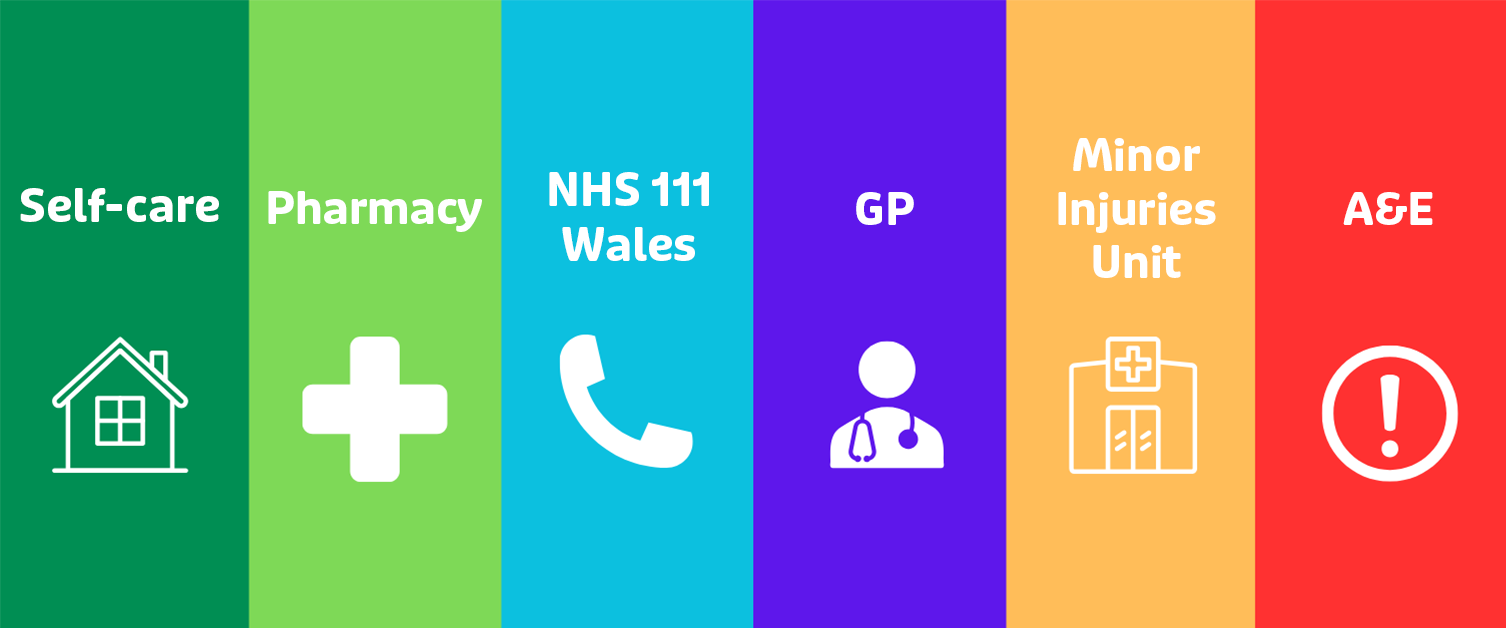
As we approach the Easter bank holiday and during an already busy time for the NHS, you can help our staff look after those with the most serious illnesses and injuries by using services carefully.
Help us by following these five steps:
1. Use NHS services wisely: For advice on treating certain illnesses and injuries at home, use the NHS 111 service. For common ailments or medication out of hours, visit a pharmacy. View the Easter weekend opening times for local pharmacies. Remember, an emergency department (A&E) is for serious and life-threatening issues. If you visit an emergency department with a less serious illness or injury, that could be treated elsewhere, you may face a long wait.
2. Reduce the spread of illness: When visiting an NHS setting, follow the advice given to reduce the spread of illnesses, such as washing your hands or using hand sanitiser. These small actions make a big difference.
3. Visit responsibly: Avoid visiting hospitals unless absolutely necessary if you think you have a virus or have recently been in contact with someone who has. Viruses such as Norovirus, COVID and flu can be dangerous for vulnerable patients and cause staff shortages.
4. Get vaccinated: If you're eligible for vaccinations against COVID or flu, don't miss out. Getting vaccinated is the most effective way to prevent illness and suffering from these viruses. All eligible people are now receiving invites for their Spring COVID-19 vaccine. Find out more.
5. Make good choices: Think carefully about the NHS service that is best for you. Choose to get vaccinated and commit to sustainable lifestyle changes, like daily exercise. Making appropriate choices for your health helps you get the care you need and supports the NHS in caring for those who need it most.
By following these steps, you can help ensure that NHS services remain available for those most in need during the busy Easter period.
17/04/2025